
Future of Airport Industry to 2030 and Beyond
| 出版 | MarketsandMarkets |
| 出版年月 | 2024年03月 |
| ページ数 | 60 |
| 図表数 | 2 |
| 価格 | 記載以外のライセンスについてはお問合せください |
| シングルユーザ | USD 4,950 |
| 種別 | 英文調査報告書 |
| 商品番号 | SMR-41504150 |

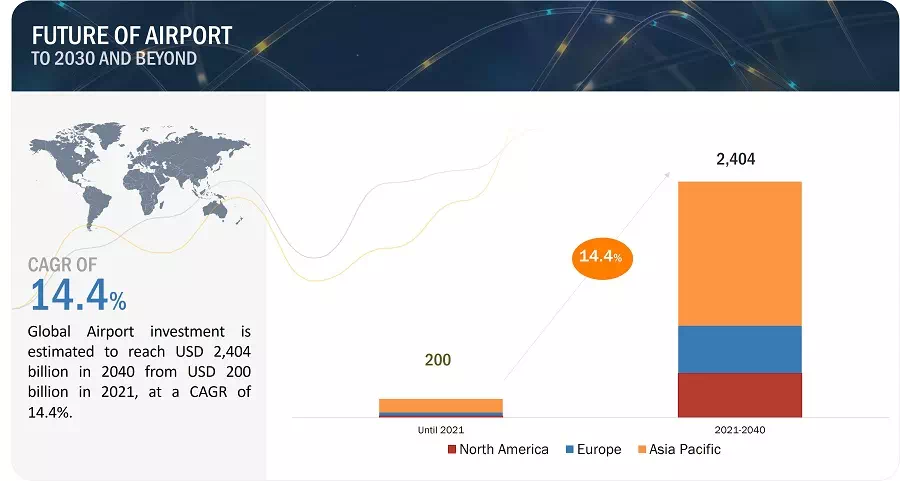
世界の空港投資は、2021年の2,000億米ドルから2040年には2兆4,040億米ドルに達し、年平均成長率(CAGR)14.4%で成長すると予測されています。
増加する旅客数と航空機交通量は、空港が従来の航空収入源にとどまらない革新的な収益源を模索するきっかけとなっています。空港敷地内の小売、ホスピタリティ、不動産開発など、航空以外の収入源への戦略的進出は、収入源の多様化だけでなく、空港運営の財務安定性の向上にもつながります。アーバン・エア・モビリティ(UAM)インフラの導入は、効率的で持続可能な都市交通ソリューションに対する高まる需要に対応するための先進的なアプローチであり、世界の交通ネットワークにおける重要な結節点としての空港の役割をさらに強化するものです。
調査範囲:
本レポートは、空港の未来を深く掘り下げ、コネクテッドで多様な旅行者への対応に向けた進化、メタバースと統合されたコグニティブ空港の出現、総合的な空港都市の開発、自律的な空港運営への進歩、そして持続可能性とネットゼロエミッション達成への強いコミットメントに焦点を当てています。これらの重要な焦点領域を深く掘り下げ、世界中の空港エコシステムを再定義する革新的な変革の明確なビジョンを関係者に提供します。この将来を見据えた視点は、急速に変化する航空業界の需要への対応準備を整える業界関係者を導くことを目的としています。
レポートの範囲
本包括的なレポートは、コネクテッドで多様な旅行者へのサービス提供への注力、メタバース技術を活用したコグニティブ空港の出現、空港都市の戦略的開発、アーバン・エア・モビリティ(UAM)の統合、空港の自律運用への移行、そしてネットゼロエミッションと持続可能性の達成へのコミットメントなど、空港の未来を形作る変革的なトレンドに関する重要な洞察をステークホルダーに提供します。これらの将来を見据えた洞察は、航空会社、投資家、そしてサービスプロバイダーにとって非常に貴重であり、運用効率の向上、乗客体験の向上、新たな収益源の確保、そして環境への配慮といった機会を浮き彫りにしています。これらの洞察を活用することで、ステークホルダーは進化する航空業界を自信を持って乗り越え、レポートの知見を活用して競争優位性を確保し、空港開発の将来の方向性と戦略を整合させることができます。
Report Description
Global Airport investment is estimated to reach USD 2,404 billion in 2040 from USD 200 billion in 2021, at a CAGR of 14.4%.
The escalating passenger and aircraft traffic serves as a catalyst for airports to explore innovative revenue streams beyond traditional aeronautical sources. This strategic expansion into non-aeronautical revenues, encompassing retail, hospitality, and real estate developments within airport premises, not only diversifies income but also enhances the financial stability of airport operations. The incorporation of Urban Air Mobility (UAM) infrastructure represents a forward-thinking approach to address the burgeoning demand for efficient, sustainable urban transportation solutions, further augmenting the airport’s role as a critical nexus in the global transportation network.
Simultaneously, the establishment of airport cities, or ‘aerotropolises’, transforms airports into multifaceted commercial and recreational hubs. This evolution extends the economic impact of airports well beyond their traditional boundaries, stimulating local economies and attracting global businesses through a synergistic blend of connectivity, convenience, and amenities.
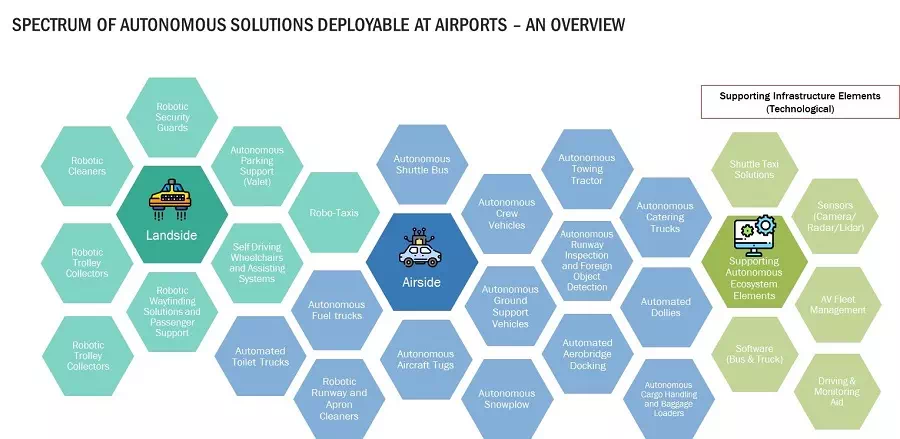
In tandem with these developments, the deployment of Cognitive Autonomous Technologies is revolutionizing the passenger experience. By harnessing the power of artificial intelligence and automation, airports are able to offer more personalized, seamless travel experiences, from check-in to boarding. This technological leap not only addresses the challenges associated with employment shortages by streamlining operations and reducing the reliance on manual labor but also significantly enhances the safety and security of airport environments. Advanced surveillance systems, automated security screenings, and predictive analytics for threat detection are among the innovations elevating the standards of airport safety and security to unprecedented levels.
Enhancing Passenger Connectivity and Diversity
Modern airports are transforming into vibrant, inclusive gateways that serve an increasingly global and varied passenger base. This transformation is driven by advanced data analytics and digital innovations, which facilitate tailored, high-quality services for every traveler. By leveraging deep insights into diverse passenger profiles, airports are not only boosting their operational efficiencies but also significantly improving the travel experience. This strategic shift ensures that airports are more than just transit points; they are accessible, welcoming spaces for everyone.
Innovating with Cognitive Technologies and Metaverse Applications
The adoption of cognitive technologies and the integration of metaverse platforms represent a groundbreaking evolution in airport operations. These advancements are setting the stage for smarter, more responsive airport environments. Through applications like virtual check-ins and AR-enhanced wayfinding, airports aim to streamline the passenger journey, reducing stress and converting traditionally passive waiting periods into dynamic, engaging experiences. This innovative approach signals a move towards minimizing inconveniences while maximizing passenger satisfaction.
The Emergence of Aerotropolis: Airport Cities Redefined
The development of airport cities signifies a shift towards integrating airports into broader urban and economic ecosystems. These aerotropolises are more than mere points of departure and arrival; they are thriving centers of commerce, leisure, and business. By offering a diverse array of services and amenities, airport cities are becoming landmarks in their own right, contributing to economic growth and attracting global enterprises. This trend not only redefines the airport’s role in urban development but also positions it as a key driver of socio-economic progress, bridging the gap between local communities and international networks.
Research Coverage:
The report delves into the future of airports, highlighting the anticipated evolution towards accommodating connected and diverse travelers, the emergence of cognitive airports integrated with the metaverse, the development of comprehensive airport cities, the advancement towards autonomous airport operations, and a strong commitment to sustainability and achieving Net Zero emissions. These pivotal areas of focus are explored in depth, offering stakeholders a clear vision of the innovative transformations set to redefine airport ecosystems worldwide. This forward-looking perspective is aimed at guiding industry participants as they prepare to meet the demands of a rapidly changing aviation landscape.
Report Scope
The comprehensive report provides stakeholders with critical insights into the transformative trends shaping the future of airports, including the focus on serving connected and diverse travelers, the advent of cognitive airports enhanced by metaverse technologies, the strategic development of airport cities, the integration of Urban Air Mobility (UAM), the move towards autonomous airport operations, and the commitment to achieving Net Zero emissions and sustainability. These forward-looking insights are invaluable for airlines, investors, and service providers, highlighting opportunities for operational efficiencies, enhanced passenger experiences, new revenue channels, and environmental stewardship. By embracing these insights, stakeholders can navigate the evolving aviation landscape with confidence, leveraging the report’s findings to secure a competitive advantage and align their strategies with the future direction of airport development.
Table of Contents
1. KEY TRENDS TRANSFORMING AIRPORTS TO 2030 AND BEYOND
2. CONNECTED, DIVERSE TRAVELERS
2.1 CONNECTED TRAVELERS
2.2 HETEROGENOUS CUSTOMERS
2.3 PASSENGER TYPES
2.4 PASSENGER GROWTH
3. COGNITIVE AIRPORTS
3.1 5G AIRPORT
3.2 COGNITIVE AIRPORTS
3.3 METAVERSE
4. AEROTROPOLIS
4.1 AIRPORT CITY
4.2 MOBILITY HUB
4.3 FUTURE VERTIPORTS
4.4 REVENUE SHIFT
4.5 AIRPORT OWNERSHIP SHIFT
5. AUTONOMOUS AIRPORT
5.1 AUTONOMOUS SOLUTIONS
5.2 FUTURE SKILLS
6. NET ZERO AIRPORT
6.1 TOP SUSTAINABLE AIRPORTS
6.2 AIRPORTS AS H2 HUBS
7. KEY CHANGES BY 2030
8. APPENDIX